The comparison
The concert or the Imperial Crypt below it: which to see, or both?
One church, two tickets: an hour of quartet music upstairs and a Habsburg burial vault downstairs. How they differ, what each costs in time and mood, and how to combine them without wearing yourself out.
Look at the dates ↗Quick answer
If you can only do one, choose by temperament. The concert is for listening and sitting still; the crypt is for walking, reading and thinking about the dynasty. Both are rated well: 4.8 from about 315 reviews for the concert and 4.6 from about 1,800 for the crypt. They share a building, so doing both is easy, and the booking page offers a combined ticket. Do both if you like history and music equally; do one if you tire quickly or dislike burial sites.
Concert and crypt, point by point
| The candlelit concert | The Imperial Crypt | |
|---|---|---|
| What you do | Sit and listen to a string quartet | Walk between sarcophagi and read |
| Where | In the church | In the vault beneath the church |
| Time | About one hour | Sold as a one-day entry; no running time on the page |
| Mood | Warm, musical, candlelit | Quiet, sombre, historical |
| Rating on GetYourGuide | 4.8 from about 315 reviews | 4.6 from about 1,800 reviews |
| Wheelchair tag on the page | Yes | Yes |
| Ticket | Its own, with a combined option | Its own |
Two tickets, one building
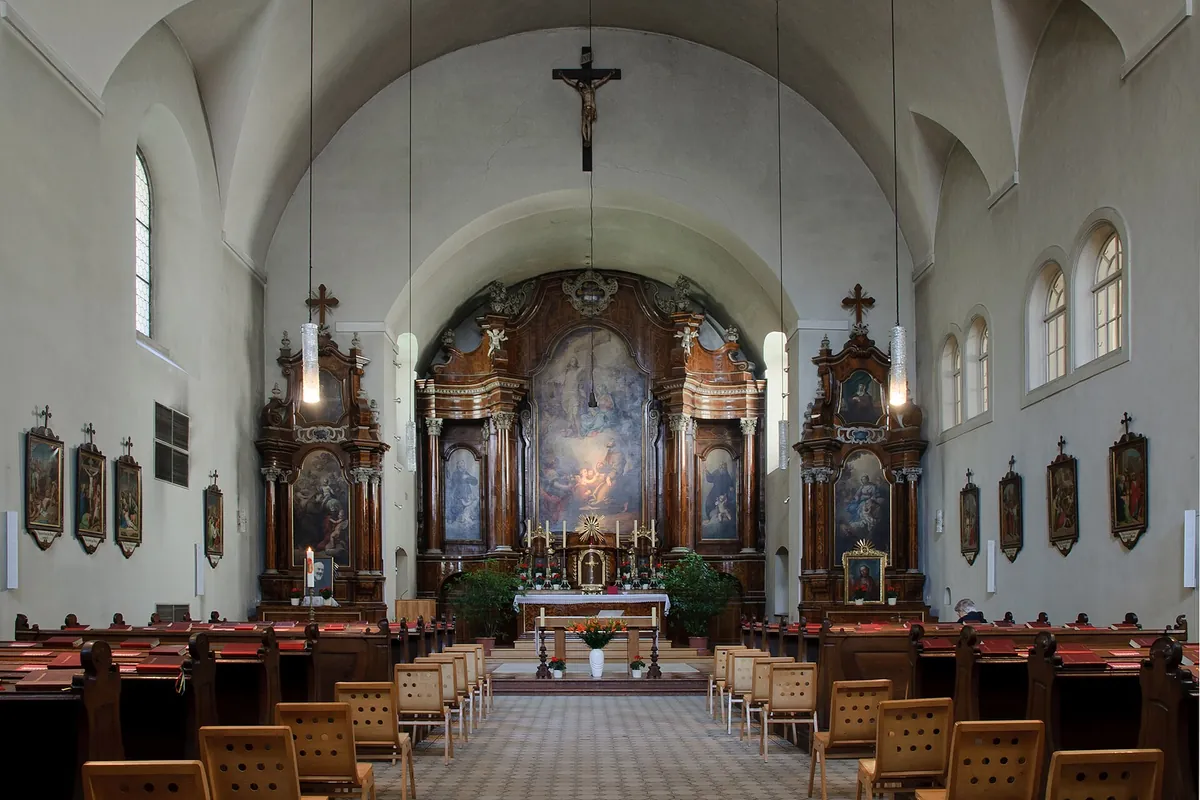
The church holds the concert in its nave, and the Imperial Crypt lies directly beneath it. They are sold separately on GetYourGuide, and the concert listing also offers a combined ticket that adds crypt entry. That structure makes the choice easy to frame. You are deciding between an hour of seated listening and a walk through a vault, or choosing to do both in one visit. The crypt’s own listing describes it as the family burial vault of the Habsburgs, and its entry ticket is valid for one day. The concert listing describes live music by candlelight in the historic church above the crypt, and notes the heating of the building. They are different products that happen to share a front door.
What the crypt offers that the concert cannot
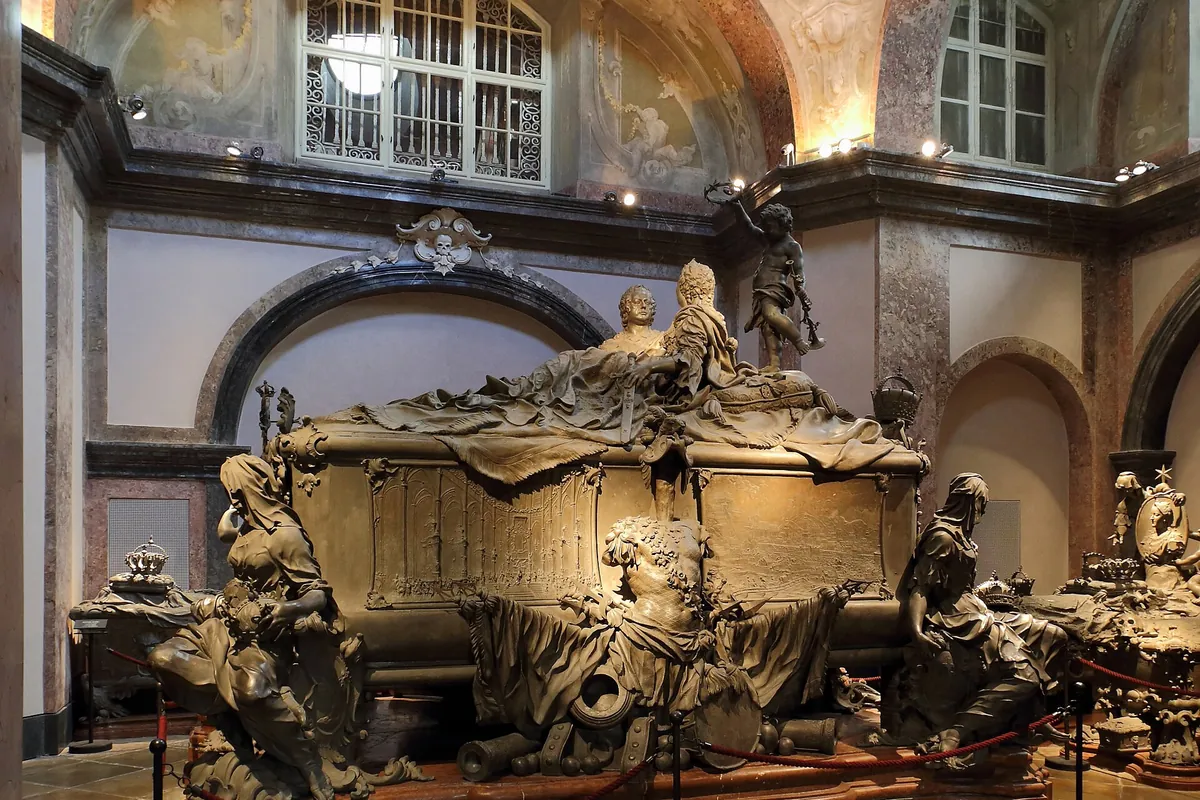
Wikipedia describes the crypt as the principal place of entombment for the House of Habsburg since 1633. It holds 145 bodies and urns for four more people, and the sarcophagi range from plain to exuberantly rococo. The tomb of Charles VI carries a death’s head at each corner wearing the crown of one of his realms. The double tomb of Maria Theresa and Francis I Stephen, by Balthasar Ferdinand Moll, is singled out for its design. Joseph II lies in a simple copper tomb, unembalmed under his own edict against embalming. These are things you can only see in person, and reading about them beforehand turns a walk-through into a series of small stories. The concert cannot give you that, because it is about music, not the dynasty.
What the concert offers that the crypt cannot
The crypt is silent. The concert is the only way to hear the church doing what a church is good at, which is holding sound. A string quartet fits the room because the instruments are few and the lines are clear, and reviewers say the acoustics were excellent and the players capable. The programme leaflet is free, the evening is short, and the pieces are familiar enough that a first-time listener will recognise several. If your main aim in Vienna is to hear music in an old building and you are only mildly interested in the Habsburgs, the concert alone is the better choice.
Doing both in one visit
The combined ticket exists for this reason. The listing says it lets you visit the Imperial Crypt before the concert, and it warns that last admission to the crypt is earlier in the evening, so the order matters: crypt first, then music. Because two experiences in a row can feel heavy, give yourself a gap in the middle. A coffee on the square, or a short walk to settle, is plenty. The listing gives you the entry time on your confirmation, so check it against the concert start rather than relying on a general rule.
Doing them on different days
Many travellers will want them apart. The crypt suits a daytime stop in the old centre, and its one-day entry gives some flexibility, whereas the concert belongs to the evening and to the church’s own calendar. Splitting them also lets you read first, which is the best preparation. Vienna’s historic centre has been a World Heritage Site since 2001, and the church stands in the Innere Stadt, so a stroll through the old town can take in the crypt without hurry.
How the two ratings compare
The concert scores 4.8 from about 315 reviews and the crypt 4.6 from about 1,800. The crypt’s larger sample comes from far more visitors, because it is a landmark that many people tick off, while the concert draws a smaller, self-selected audience. Both numbers are good. The gap between them is not a reason to skip the crypt; it mostly reflects the fact that a sombre vault pleases a wider variety of moods less uniformly than a candlelit recital does. Read both sets of reviews on the booking pages if the choice still feels close.
A worked plan: one day, two visits
Visit the crypt in the afternoon, using its one-day entry ticket, and keep the concert for the evening. Between them, walk the old centre or sit down for something to eat. By the time the quartet starts you will have the names and the dates in your head, and the music will land differently. If you prefer a single combined trip, use the combined ticket and go downstairs first, then upstairs. In both cases your confirmation shows the times, and those override any general advice.
Read a little before you go down
The crypt rewards preparation. It holds 145 bodies, the sarcophagi run from plain to rococo, and there is a funeral ritual in which a member of the funeral party knocks on the doors and the friars reply that they know of no such person. Knowing that, a walk past the sarcophagi becomes a sequence of stories rather than a row of metal boxes. The guides on this site on who lies in the crypt and on the friars and their church are written for exactly this kind of ten-minute read on a phone in a queue.
Who should pick which
Choose the concert alone if you love chamber music, prefer an evening to a daytime visit, or dislike burial sites. Choose the crypt alone if you are mainly interested in the dynasty, if the church calendar does not suit your dates, or if you want a flexible, short stop. Choose both if you like history and music equally and are happy with a longer, more reflective visit. Families with young children may find the crypt easier than an hour of silence in a pew, though only you know your own children.
Practical points that apply to both
Both booking pages carry a wheelchair-accessible tag and both show free cancellation under the terms at checkout. Neither promises a particular seat or a guide. Your confirmation holds the start times, and if mobility is a concern the seller can be asked, through GetYourGuide, about the route into the building. Dress for old stone, silence your phone and arrive in good time.
Three questions to settle it
Ask yourself whether you would rather sit or walk for the next hour, whether the Habsburgs interest you more than the music, and whether you want one evening plan or two. If you answer sit, music and one, book the concert alone. If you answer walk, history and two, book the crypt on its own or take the combined ticket. If the answers split, the combined ticket is the sensible compromise, since it gives you both in one trip and the cancellation terms are shown before you pay.
Frequently asked questions
Can I see the crypt on the same evening as the concert?
Yes, with the combined ticket. The page notes that last admission to the crypt is earlier, so visit it first.
Which has the better reviews?
The concert has 4.8 from about 315 reviews, the crypt 4.6 from about 1,800. They measure different experiences.
Do I need both?
No. Each stands alone.
Is the crypt included in the concert ticket?
Only in the combined option. The standard concert ticket does not include it.
Sources