The church
The Capuchin friars and their church on the Neuer Markt
From a sixteenth-century reform in the Marche to a bequest by an empress and a consecration in 1632: who built the church where the quartet plays, and what the order stood for.
Look at the dates ↗Quick answer
The church belongs to the Capuchins, a Franciscan reform that began in 1525 and prized poverty and simplicity. Anna of Tyrol, wife of Emperor Matthias, left the money in her will, the foundation stone was laid in 1622, and the church was consecrated in 1632. The order’s ideal was simplicity, which shaped how it built.
Dates in the life of the church
| Year | Event |
|---|---|
| 1525 | Matteo da Bascio begins the Capuchin reform |
| 1528 | Pope Clement VII approves the group |
| 1618 | Anna of Tyrol dies; her will funds the church |
| 1622 | Foundation stone laid on 8 September |
| 1632 | Church consecrated |
| 1633 | Crypt becomes the main Habsburg burial place |
A reform that wanted less
The Order of Friars Minor Capuchin broke from the Observant Franciscans. Matteo da Bascio, a friar from the Marche, began the reform in 1525, and Pope Clement VII approved it in 1528. The first General Chapter in 1529 set rules of extreme poverty: the friars were to beg for their needs, avoid handling money and go barefoot. The brown habit has a pointed hood, the capuche, which gave the order its name, and the first constitution called for untrimmed beards. Wikipedia adds that the capuchin monkey and the cappuccino are both named after the brown shade of the habit.
Capuchins in Vienna
Wikipedia records that around 1599 Capuchin brothers under Lawrence of Brindisi stayed in Vienna on their way to Prague, sent by Pope Clement VIII during the Counter-Reformation. The order became independent in 1619 and was active in missions. The church on the Neuer Markt came after, and its guardians today are the resident friars, some of whom also look after the crypt.
An empress’s will
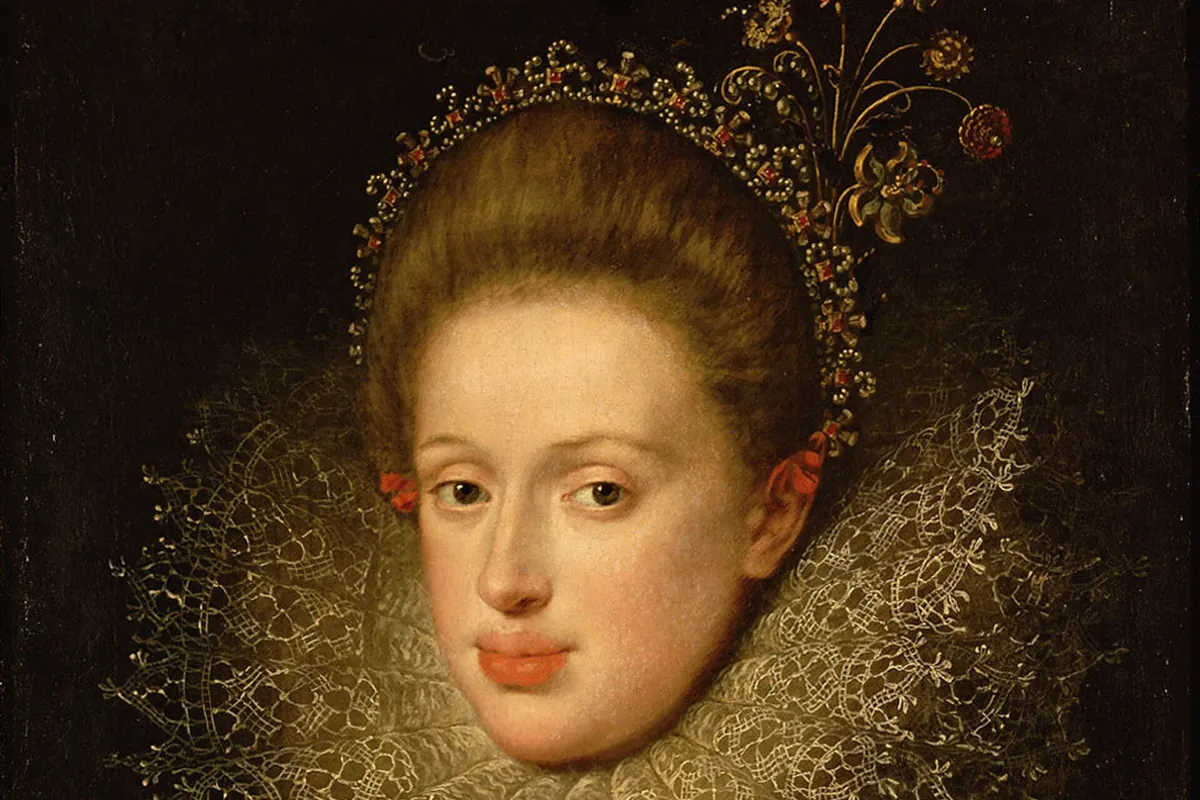
The church was donated under the will of Anna of Tyrol, wife of Emperor Matthias. She made provision in 1617 and died in 1618, and the money was released. The foundation stone followed on 8 September 1622, and the Thirty Years’ War delayed building. The church was completed under Ferdinand II and consecrated in 1632. The Imperial Crypt article says it was dedicated on 25 July 1632.
One room, one vault
Wikipedia calls the church aisleless, about 35 metres long and 16 metres wide, on the Neuer Markt in the Innere Stadt. It holds the tomb of the friar Marco d’Aviano, who died in 1699. The nave is a single room without side aisles.
The vault underneath
Since 1633 the crypt beneath the church has been the principal place of entombment for the House of Habsburg. Some of the resident friars act as its guardians alongside their pastoral work in Vienna. The burial ritual is part of its story: Wikipedia describes how a member of the funeral party knocks on the doors, the friars ask who is there, and the caller gives the titles of the deceased before the doors finally open.
Why the order’s ideals matter to a visit
The first General Chapter, held in 1529, laid down rules of extreme poverty and simplicity, and the Capuchins became known for them. Wikipedia adds that the order was active in missions and the Counter-Reformation and counted 10,480 members in June 2018. In Rome the crypt under Santa Maria della Concezione holds the remains of about 4,000 friars, a tradition of burial quite unlike the Habsburg one in Vienna. Set side by side, they show how one order sheltered very different funeral customs.
Reading the church as a concert room
Wikipedia lists the church as aisleless, which means one open room without side aisles. Reviewers on the booking page praise its clear acoustics, and that is the best evidence you have for how a quartet sounds in it. The pews in the nave are wooden, as the one reviewer who found them hard would confirm.
Frequently asked questions
What did the Capuchins stand for?
Poverty and simplicity, according to the rules set at their first General Chapter in 1529.
Who paid for it?
Anna of Tyrol, wife of Emperor Matthias, left the money in her will.
When was it consecrated?
In 1632, according to Wikipedia.
Are there friars there today?
Yes. Some of the dozen resident friars act as crypt guardians.
Sources